Improving Early Reading Instruction for Multilingual Students
|
|
|
|
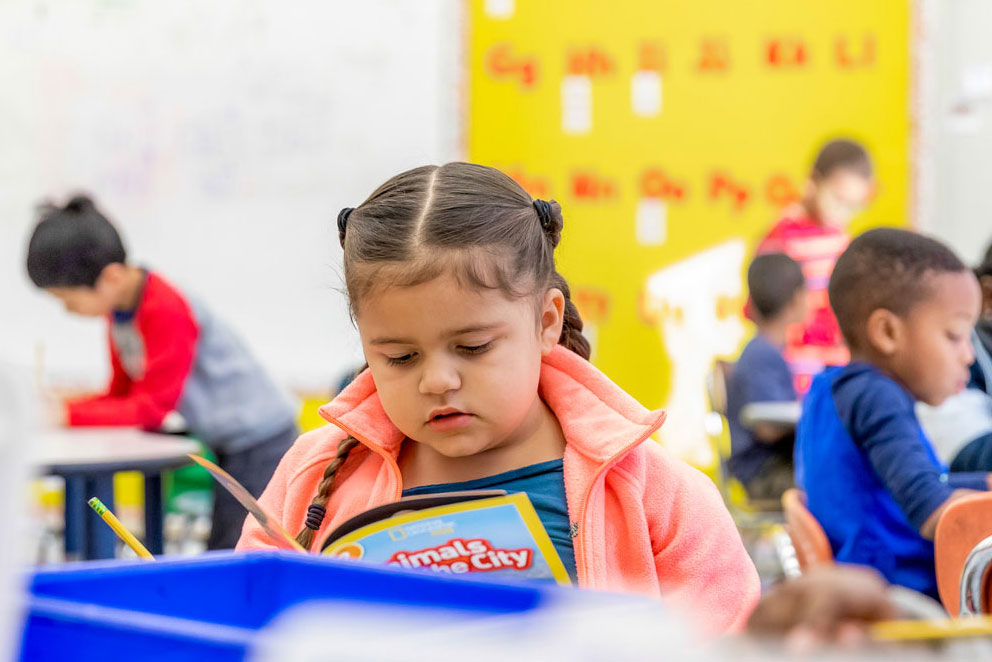
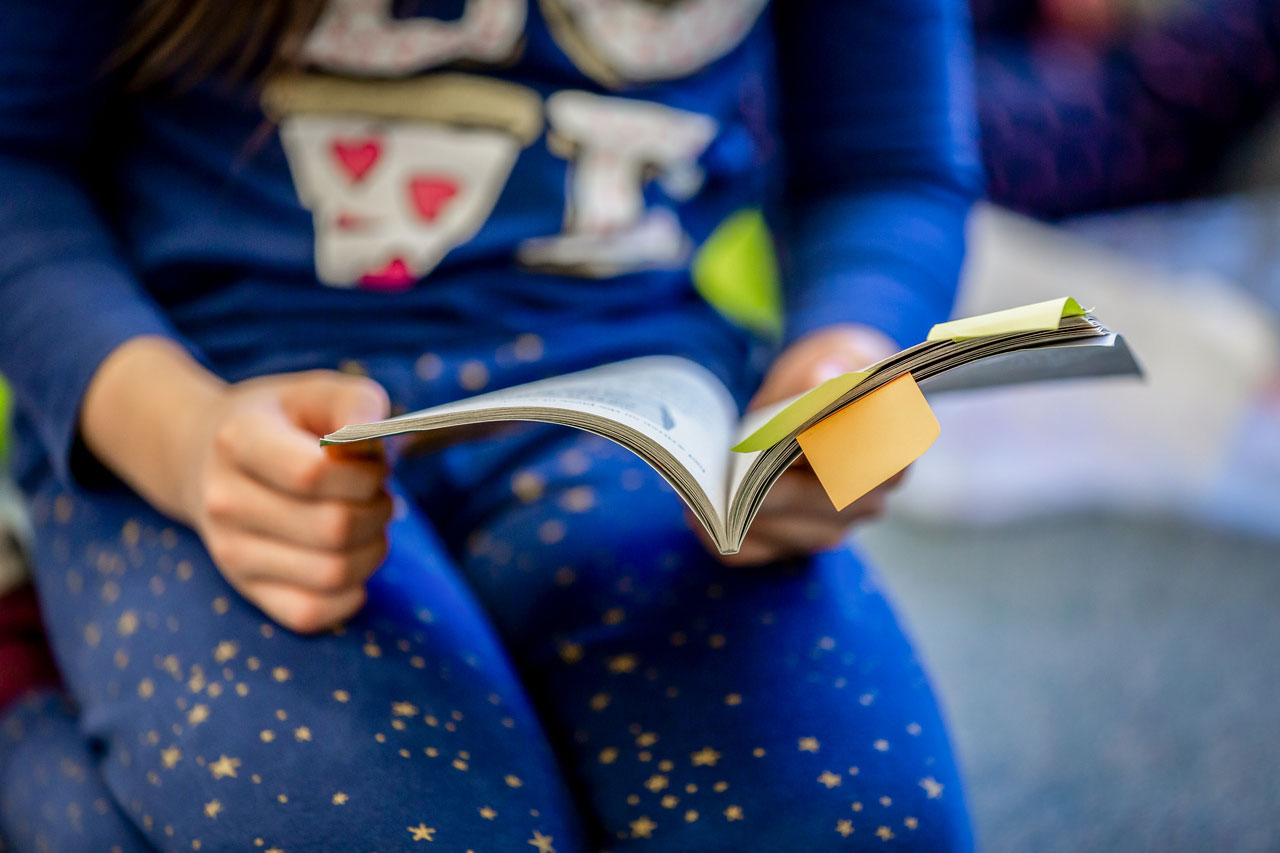
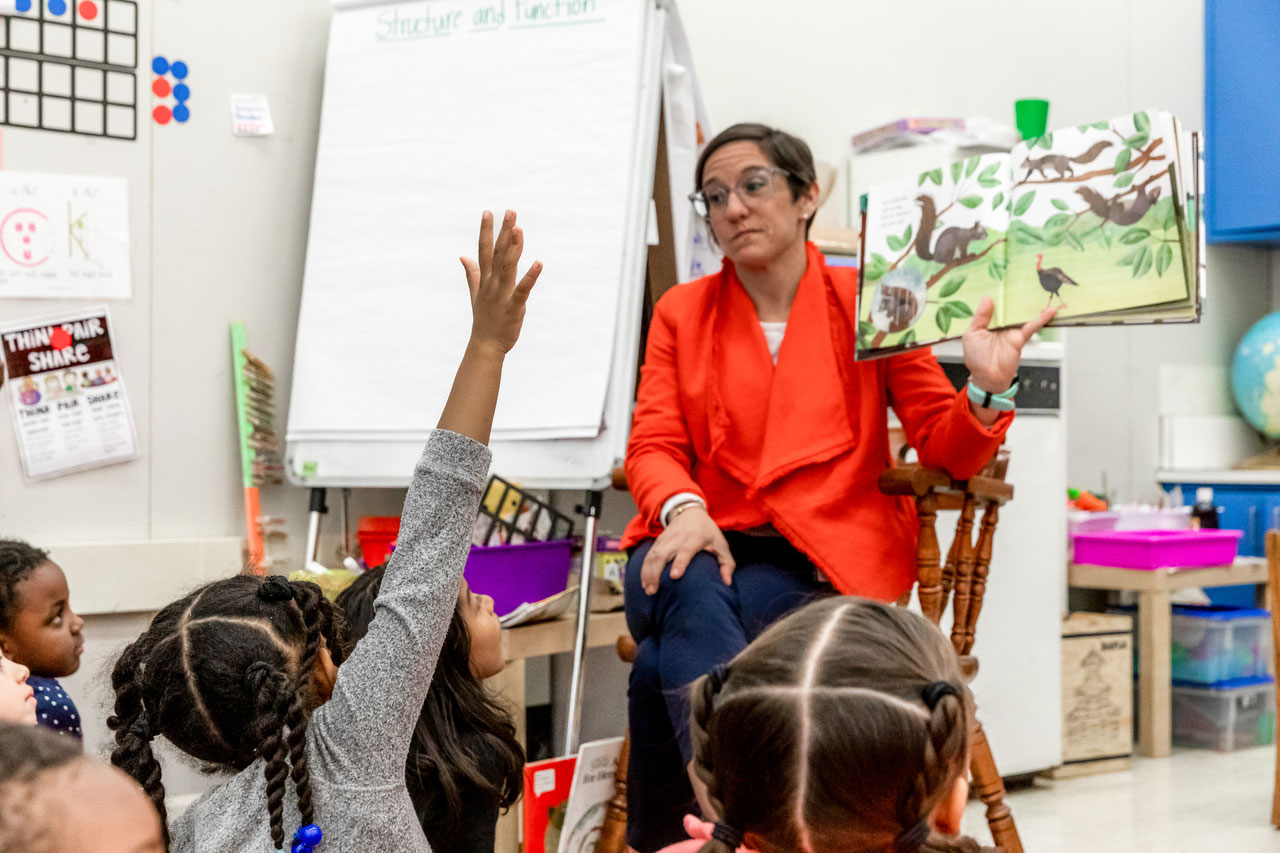
Imagine a second-grade reading lesson on hurricanes. Before opening the book, the teacher asks her students for the word for “hurricane” in their home languages. As they connect English to Spanish (huracán) and Haitian Creole (siklòn), the students share what they know about hurricanes. Then, they dive into What Are Hurricanes?, practicing spelling patterns on whiteboards, reading aloud, and writing questions on sticky notes.
According to Assistant Professor Faythe Beauchemin, this is an example of what early literacy instruction should look like.
|
|
|
|
“When children are learning to read, they should have it all. They should be given effective and engaging opportunities to figure out the ways that words work, to develop their independence as readers, and they should know—right from the beginning—that they’re reading for understanding.”
|
— Assistant Professor Faythe Beauchemin
|
|
|
|
|
Beauchemin and her research teams are partnering on two projects:
|
|
|
|
- One, backed by the Spencer Foundation, focuses on addressing the needs of multilingual readers. This project is based on a key principle, says Beauchemin: “How we teach is determined by who we teach.”
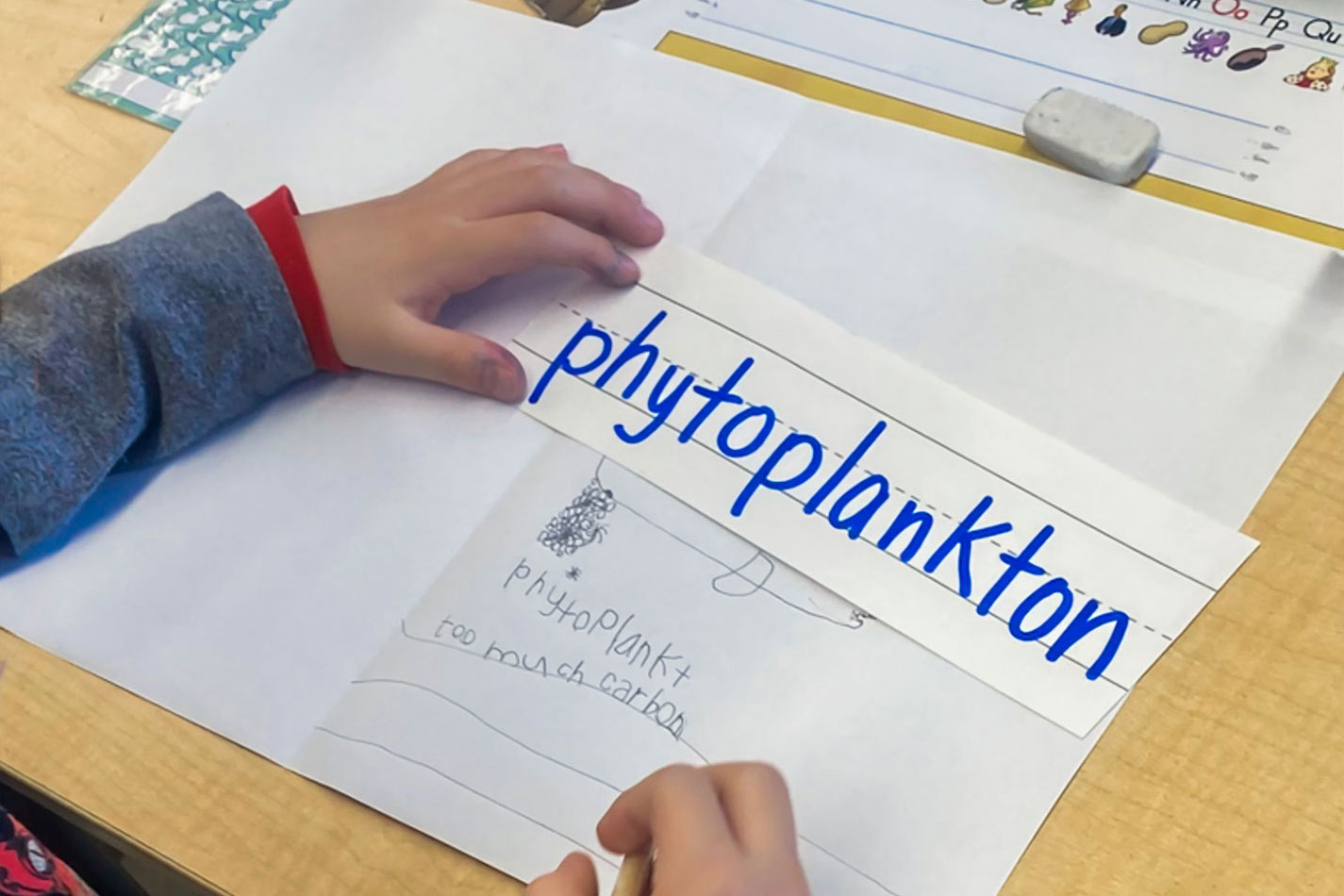
- A second, backed by Boston College’s Schiller Institute for Integrated Science and Society, focuses on teaching early reading through the topic of climate change.
|
|
|
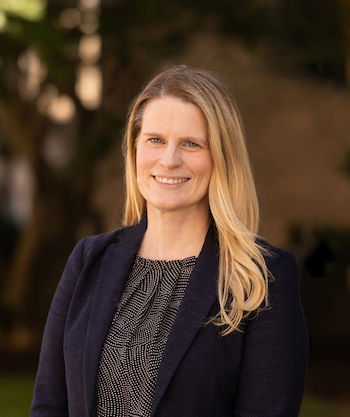
Assistant Professor Faythe Beauchemin
|
|
|
|
Beauchemin says that “learning how to read should be set within meaningful, real-world contexts that allow children to feel powerful about their ways of using language.” By anchoring reading lessons in this way, her team is working to develop practical approaches and resources to help teachers support every young learner.
|
|
|
|
|
|
One in five school-age children in the United States speaks a language other than English at home. The most common is Spanish, which more than 8 million U.S. children speak at home.
|
Source: United States Census Bureau
|
|
|
|
|
|
|
California, Connecticut, Illinois, New Jersey, and New York require climate change instruction for students as early as first grade.
|
Sources: National Center for Science Education, E&E News/Politico, North American Association for Environment Education, New Jersey State Environmental Education Directory
|
|
|
|
|
Character and Flourishing:
|
|
|
|
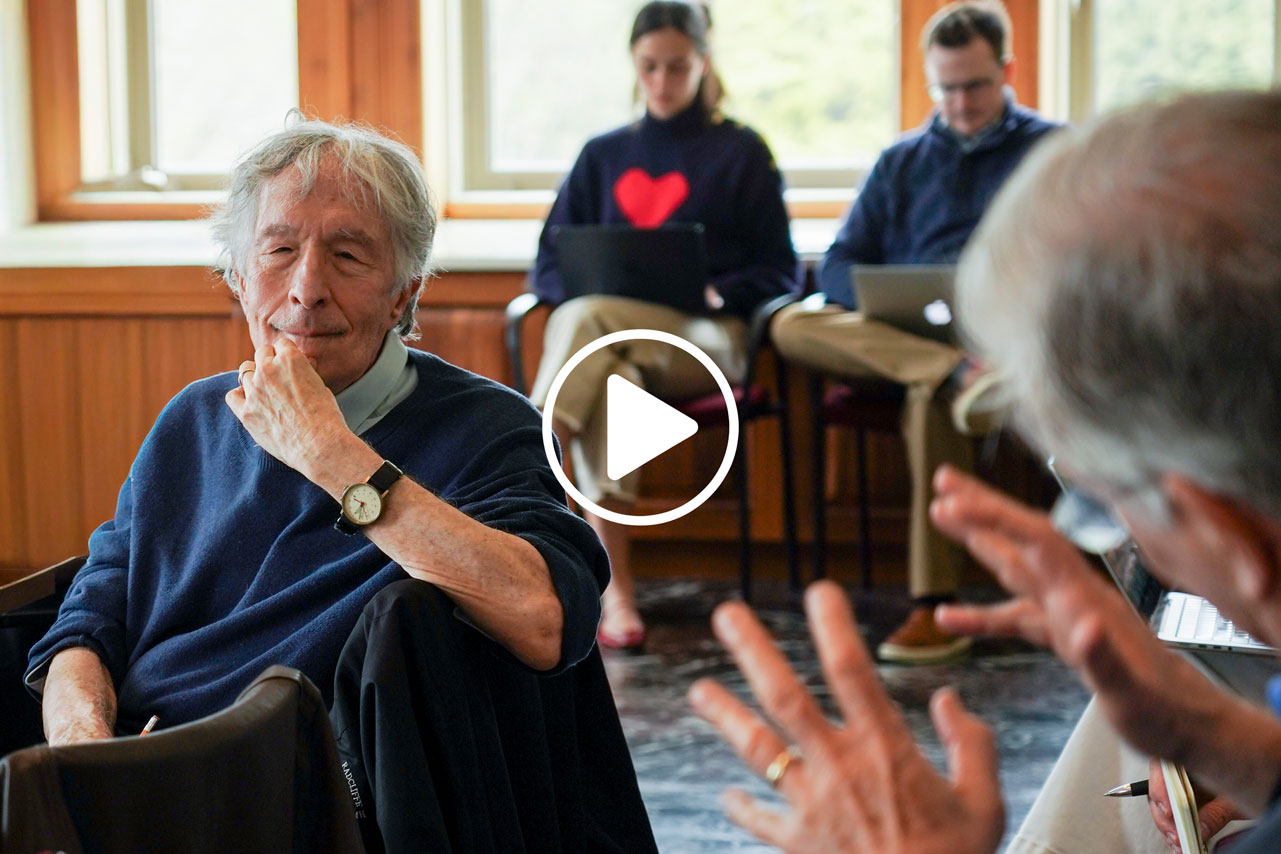
This spring at Boston College, Lynch School Dean Stanton Wortham and Harvard University’s Loeb Professor Tyler J. VanderWeele, who directs the Human Flourishing Program, hosted a workshop focused on a growing demand in education: helping students think beyond themselves and contribute to the common good. Leading researchers and educators came together to identify effective tools and share strategies and resources that schools and educators can use to build character and support student well-being.
|
|
|
|
Augustus Long Professor Marina Bers and Professor and Ascione Faculty Formation Fellow Belle Liang led 24 students in a 10-hour event—part competition, part research study—to build tech prototypes focused on prayer, service, and finding a sense of purpose.
|
|
|
How Legal Rights Impact Immigrant Education
|
Cawthorne Millennium Chair and Professor Stella M. Flores examines the legacy of the Supreme Court decision Plyler v. Doe. Her research shows that removing tuition and enrollment barriers boosted K–12 school participation among Latino students in Texas.
|
|
|
|
Connecting Classroom Lessons to Real Life
|
What if the key to student success isn’t more classroom time but rather making learning relatable? Professor Shaun M. Dougherty shares his insights on this approach on the Quality Matters podcast.
|
|
|
Critical Thinking in Challenging Times
|
Professor and Buehler Faculty Fellow Scott Seider coauthored an article in Greater Good Magazine outlining five ways educators can nurture students’ critical thinking and agency amid curricular restrictions.
|
|
|
|
|